• Welcome to your new Gnomio site

    Now, you are in control!

    Moodle is an open-source Learning Management System (LMS) that provides educators with the tools and features to create and manage online courses. It allows educators to organize course materials, create quizzes and assignments, host discussion forums, and track student progress. Moodle is highly flexible and can be customized to meet the specific needs of different institutions and learning environments.

    Moodle supports both synchronous and asynchronous learning environments, enabling educators to host live webinars, video conferences, and chat sessions, as well as providing a variety of tools that support self-paced learning, including videos, interactive quizzes, and discussion forums. The platform also integrates with other tools and systems, such as Google Apps and plagiarism detection software, to provide a seamless learning experience.

    Moodle is widely used in educational institutions, including universities, K-12 schools, and corporate training programs. It is well-suited to online and blended learning environments and distance education programs. Additionally, Moodle's accessibility features make it a popular choice for learners with disabilities, ensuring that courses are inclusive and accessible to all learners.

    The Moodle community is an active group of users, developers, and educators who contribute to the platform's development and improvement. The community provides support, resources, and documentation for users, as well as a forum for sharing ideas and best practices. Moodle releases regular updates and improvements, ensuring that the platform remains up-to-date with the latest technologies and best practices.

    Links of interest:

    (You can edit or remove this text)

Available courses

Course Summary: Community Diagnosis

Course Description:
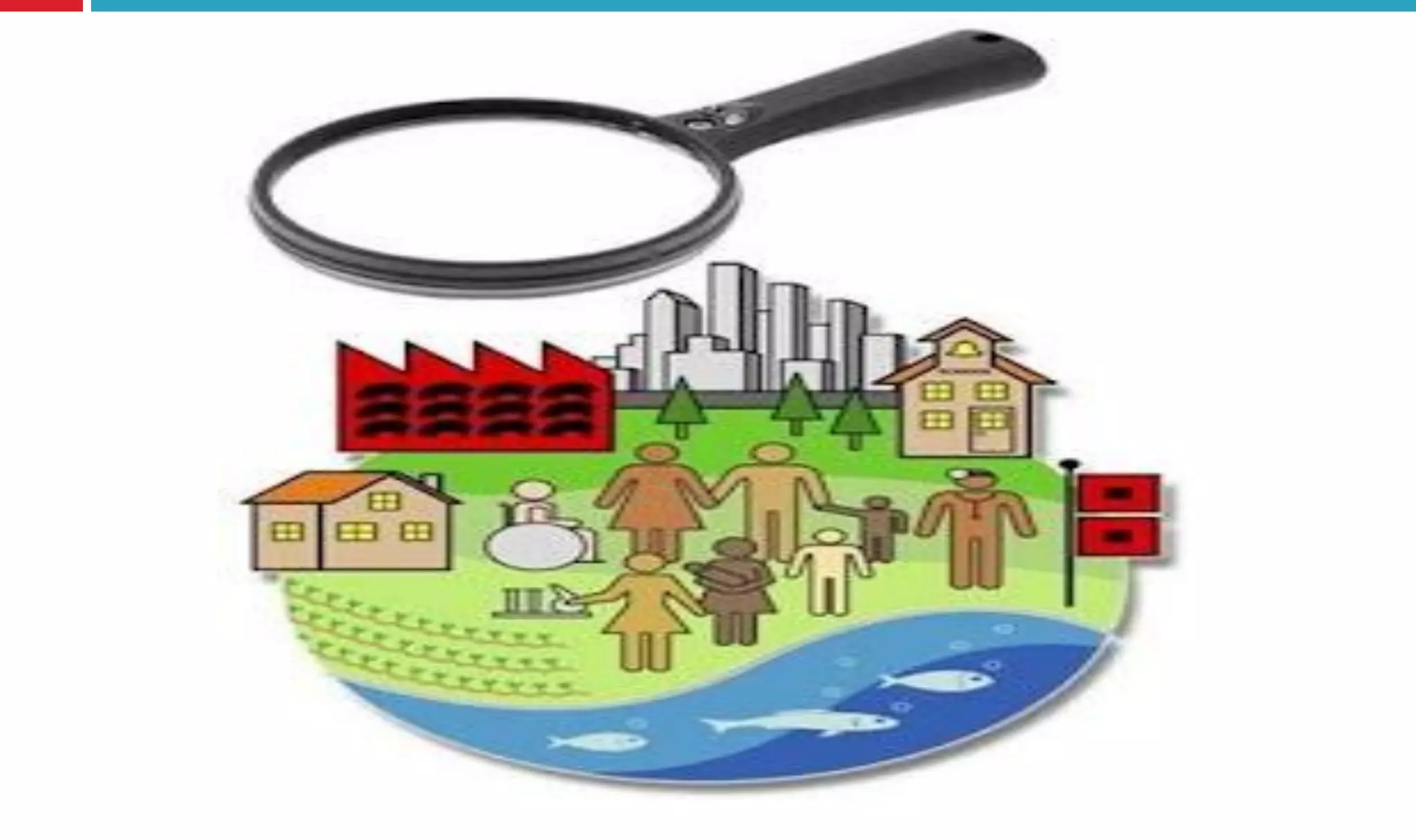
This course provides a comprehensive overview of community diagnosis, emphasizing the importance of assessing community needs, resources, and challenges. Trainees will learn methodologies for gathering and analyzing data, enabling them to develop strategic interventions to improve community health and well-being.


Learning Outcomes:

By the end of this course, trainees will be able to:

  1. Define community diagnosis 
  2. Identify various methods of collecting community data
  3. Conduct simple community surveys and mapping exercises
  4. Analyze community information to identify key problems
  5. Prepare simple community diagnosis reports

Course Topics

  1. Introduction to Community Diagnosis

  2. Community Data Collection Methods

  3. Community Mapping and Resource Identification

  4. Data Analysis and Interpretation

  5. Report Writing and Presentation of Findings


Sample Interactive Activities:

    • Community Mapping Exercise

      • Learners draw a simple map showing homes, schools, health centers, water sources, and roads.

    • Role Play Interviews

      • Students act as community members and health workers to practice data collection.

    • Group Discussions

      • Discuss common community problems such as unemployment, sanitation, or insecurity.

    • Problem Ranking Activity

      • Groups list problems and rank them based on seriousness and impact.

    • Mini Field Survey (Simulated or Real)

      • Collect simple data using questionnaires and present findings.

    • Case Study Analysis

      • Review a short community scenario and suggest solutions.